What Does "Investment-Grade" Bullion Mean, and Why Does It Matter?
Not every piece of gold or silver earns the label 'investment grade,' and the difference shows up when it's time to sell or to qualify metals for an IRA. Here's what the standard actually requires and why it matters for liquidity and IRA eligibility.


Most people who reach out to KEPM already know they want the protection that comes with owning real, physical precious metals. But as you start exploring your options, you'll come across industry terms that aren't always self-explanatory. One of the most common is "investment grade."
When you buy physical gold and silver to protect what you have built, you aren't just buying a piece of metal. You are buying a recognized, highly liquid asset that mints, dealers, and financial institutions around the world will accept on sight, based on the stamp it carries. Making sure your metal is investment grade is what separates a sound, well-considered purchase from one that may be difficult to verify or sell later.
Here is a clear breakdown of what makes bullion "investment grade," and why that distinction matters for your long-term financial picture.
The Standards of Investment-Grade Bullion
"Investment grade" is not a marketing buzzword. It refers to specific, measurable standards of purity and manufacturing that make a piece of metal recognized and accepted by financial institutions worldwide.
High Purity
To be considered investment grade, the metal must meet strict purity thresholds:
- Gold must typically be at least .995 fine (99.5% pure).
- Silver must be at least .999 fine (99.9% pure).
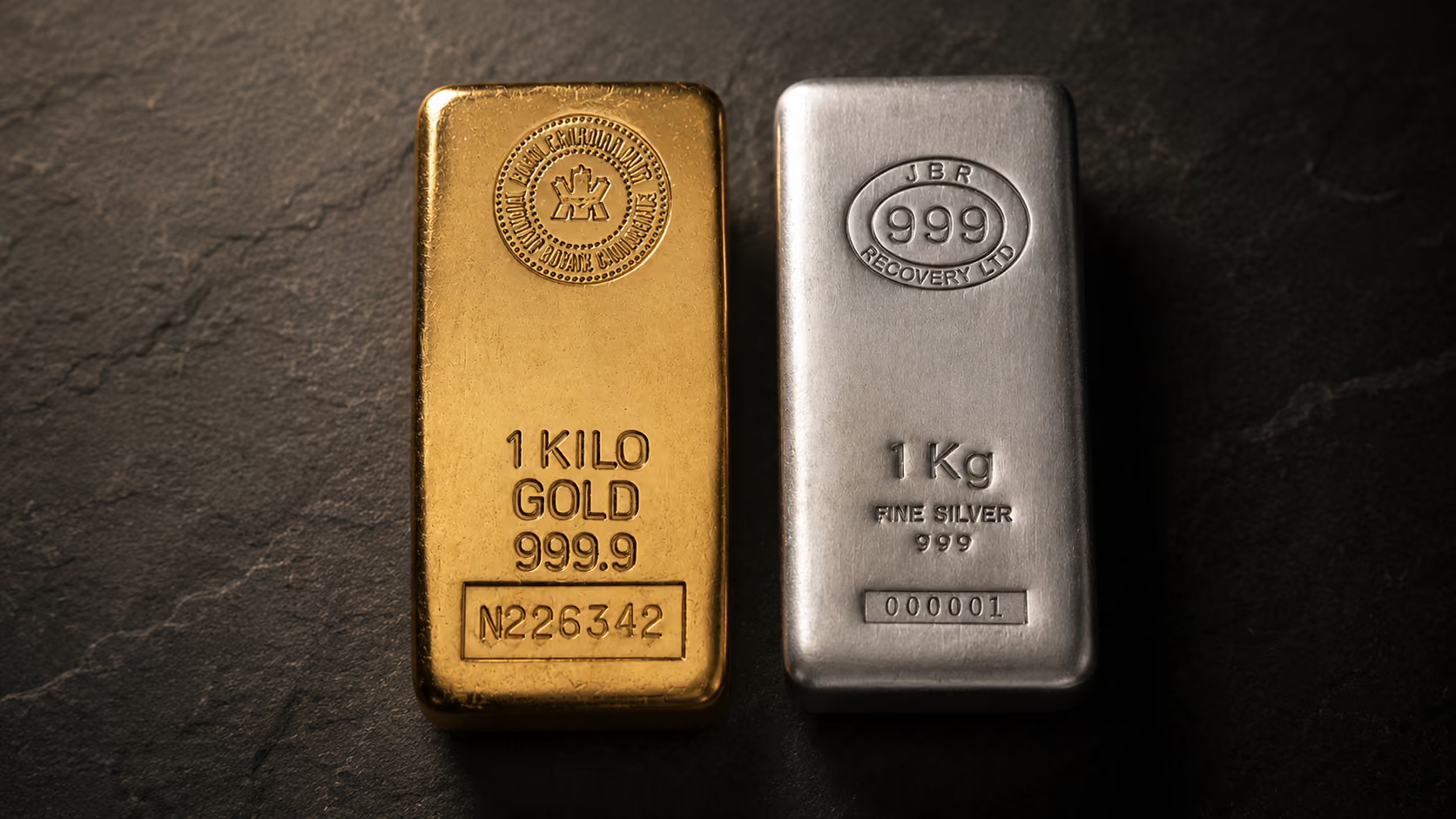
When you buy investment-grade bullion, the exact purity and weight are stamped directly onto the coin, round, or bar by the mint that produced it. No guesswork. No assumption.
Manufactured by Recognized Mints
Investment-grade bullion is produced by trusted, globally recognized refiners and mints. That includes sovereign government mints (such as the U.S. Mint and the Royal Canadian Mint), along with highly accredited private mints. These institutions follow strict quality-control and anti-counterfeiting standards, which is why their stamps are trusted around the world.
Why It Matters for You
Buying investment-grade metal is not just about purity. It is about what that purity allows you to do with your wealth when the time comes.
Recognized and Liquid
The whole point of owning physical precious metals is to have a reliable, liquid asset on hand when you need one. Because investment-grade bullion is standardized and universally recognized, it can be bought, sold, or traded almost anywhere in the world without expensive, time-consuming chemical assays (purity tests). The market trusts the stamp on the metal, which means you can move with confidence when timing matters.
IRA Eligibility
If you plan to hold physical metals inside a Self-Directed IRA, the IRS has strict rules about what qualifies. Metals held in a retirement account must meet investment-grade purity standards. If a coin or bar does not meet these minimums, it cannot legally be held in your IRA.
A practical note: older, circulated coins (often called "junk silver" or "constitutional silver") can be a fun hobby for collectors, but they do not meet the .999 purity requirement for IRAs and lack the standardized liquidity of modern investment-grade bullion. KEPM focuses strictly on high-quality, investment-grade bullion so the wealth you have built is protected and accessible.
Frequently Asked Questions
Are all government coins investment grade?
Most modern sovereign bullion coins are. The American Gold Eagle, the Canadian Gold Maple Leaf, and the South African Krugerrand are all widely recognized as investment-grade assets in the global metals market. Specific IRA eligibility can vary by coin, which is one of the things your KEPM consultant can walk you through.
How do I know the metal I buy from KEPM is authentic and investment grade?
KEPM deals exclusively in investment-grade bullion from recognized mints and refiners. Every product we offer meets the strict purity and quality standards required to be classified as investment grade.
Does it cost more to sell investment-grade metals?
No. In fact, it is often easier and more cost-effective. With KEPM, you pay a standard 8% over wholesale when you buy, and current KEPM clients pay 0% commission when they sell to KEPM. No commissions on the way out.
How do I decide which investment-grade products to buy?
That is exactly the kind of question your KEPM consultant is there to help with. Whether you are interested in rounds or bars, we will walk through how rounds and bars differ so you can choose what fits your goals.
Next Steps
Still have questions about the gold and silver KEPM offers, or whether physical metals fit your timeline and goals? You can schedule a conversation with our team in just a few clicks. No pressure. No obligation. Just honest answers so you can decide whether a move into physical metal makes sense for what you are working to protect.
Disclosures
KEPM cannot provide tax or legal advice and will not advise as to the tax or legal consequences of purchasing or selling precious metals. Individuals should consult with their own tax, legal, or investment professionals for guidance specific to their situation. Physical precious metals spot prices fluctuate and involve risk of loss. Past results are not necessarily indicative of future results.



Not Sure Where to Begin? Start Here.
Before you buy a single ounce, it helps to understand the fundamentals.
The Bullion Blueprint is Dr. Kirk Elliott's plain-language guide to owning physical gold and silver: how bullion works, how honest pricing works, and how to protect what you've built.