What This Summer's Gold Dealer Bankruptcy Should Change About How You Buy
A national gold dealer's Chapter 11 filing this summer left customers owed metal they had already paid for. Here's a look at the fulfillment model behind it, and the questions worth asking any dealer before you hand over your money.
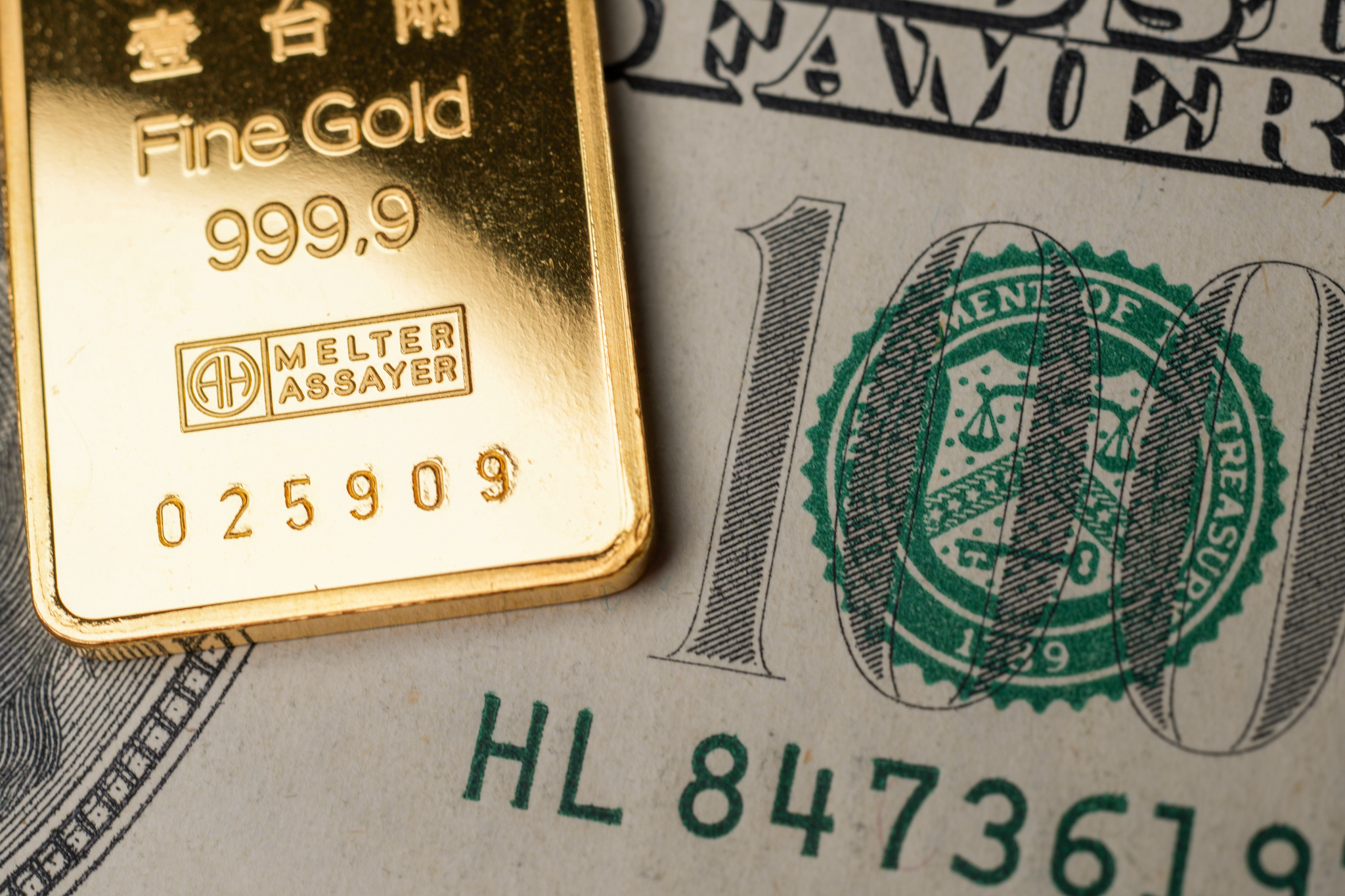

If you follow precious metals news at all, you may have seen the headlines this summer about a well-known national gold and silver dealer filing for bankruptcy. I have been asked about it more than once in the past few weeks, and I understand why. If you already own metals, or you are thinking about buying some, it is fair to wonder what this means for you.
Before I get into any of the mechanics, I want to say the honest part first. This whole story makes me sad. A lot of people trusted this company, and it did not work out in their favor. Behind every line item in a bankruptcy filing is a person who was trying to do something responsible with their savings, and I do not think we should talk about this story without acknowledging them.
So here is my short answer: this is not a reason to distrust gold or silver as an asset. It is a reason to understand exactly how the dealer you work with actually does business.
What Happened
In July 2026, Rosland Capital, a large national precious metals dealer known for its television advertising, filed for Chapter 11 liquidation, according to court filings, and is winding down its business. As reported by TheStreet, hundreds of customers were owed tens of millions of dollars for metal they had already paid for but never received.
The story is worth understanding not because of the company itself, but because of the business model that the court filings describe. That model is not unique to one dealer. Several firms across the industry operate a similar way, and it is worth knowing how to spot it before you hand over your money.
The Model That Broke
Here is the general mechanism in plain terms. Some dealers take a client's payment for gold or silver up front, then go acquire the physical metal afterward, sometimes weeks or months later, to fill the order.
When prices are flat or moving slowly, that gap between payment and purchase barely matters. The dealer's cost to buy the metal later is close enough to what the client already paid. I have seen versions of this pattern before in other corners of finance: a structure that holds together fine until prices move fast, and then does not.
And prices did move fast. Gold and silver both climbed sharply through late 2025 and into 2026. In this case, the reporting on the bankruptcy describes a months-long gap between customers' prepaid orders and the company's purchases from its suppliers, so that by the time the company went to buy the metal it owed, the cost of delivering it had often grown beyond what the customer had already paid. The reporting attributes the bankruptcy to an unsustainable order-fulfillment model amid record precious metals prices, compounded by declining profitability.
The Deeper Lesson
Here's the part that matters. The real takeaway has nothing to do with which company was in the headlines. It is this: not every dealer that takes your money already owns, or even controls, the metal it just sold you.
That single fact changes everything about the risk you are taking on. If a dealer is promising future delivery of metal it has not yet purchased, you are not just buying gold or silver. You are also extending that dealer an unsecured loan and betting that prices will not move against them before they fill your order. Many buyers do not realize that is the bet they are making.
Questions Worth Asking Any Dealer
Before you buy from any precious metals dealer, these are the questions I would want answered:
- Does the dealer already own or have access to the metal it is selling you, or is it planning to source it later?
- Is the pricing structure clear and tied to a real, disclosed cost basis, rather than vague language about "market rates"?
- Who actually holds the metal after your purchase, and is that arrangement disclosed plainly?
- What happens to your order if prices move sharply between the day you pay and the day the metal is supposed to arrive?
A dealer that can answer these plainly, without hedging, is telling you something important about how they run their business.
How We Approach This at KEPM
Since I am asking you to hold every dealer to those questions, it is only fair that I answer them for my own company. We do not sell metal on a promise to acquire it later. Pricing is set and locked once your funds are confirmed and the trade is placed, based on the wholesale-plus-8% structure described in KEPM's pricing terms.* We do not commit to a price, or agree to sell metal, ahead of having the funds and the metal itself lined up. To me, that is the difference between selling you a real asset and selling you a claim on a future one.
None of this means precious metals carry no risk. Prices for gold and silver rise and fall, and that risk exists regardless of which dealer you use. What it does mean is that the risk you take on should be the risk of the metal's price moving, not the risk that the company holding your money cannot deliver.
*8% above wholesale when you buy; 0% seller's commission for KEPM clients when you sell through KEPM. Third-party custodian, storage, and shipping fees may apply. See kepm.com/pricing for full pricing terms.
Next Steps
If you have questions about how a purchase actually works, from pricing to delivery to storage, that is exactly the kind of conversation our team is glad to walk you through. You can schedule a conversation with our team. No pressure, no obligation. Just honest answers about how your money and your metal move.
Disclosures
Trading commodities and precious metals involves substantial risk of loss and is not suitable for all individuals. Past results are not necessarily indicative of future results. KEPM cannot provide tax or legal advice and will not advise as to the tax or legal consequences of purchasing or selling precious metals. Individuals should consult with their own tax, legal, or investment professionals for guidance specific to their situation. Facts regarding third-party companies referenced in this article are drawn from public reporting and court filings available at the time of writing, including reporting by TheStreet.


Not Sure Where to Begin? Start Here.
Before you buy a single ounce, it helps to understand the fundamentals.
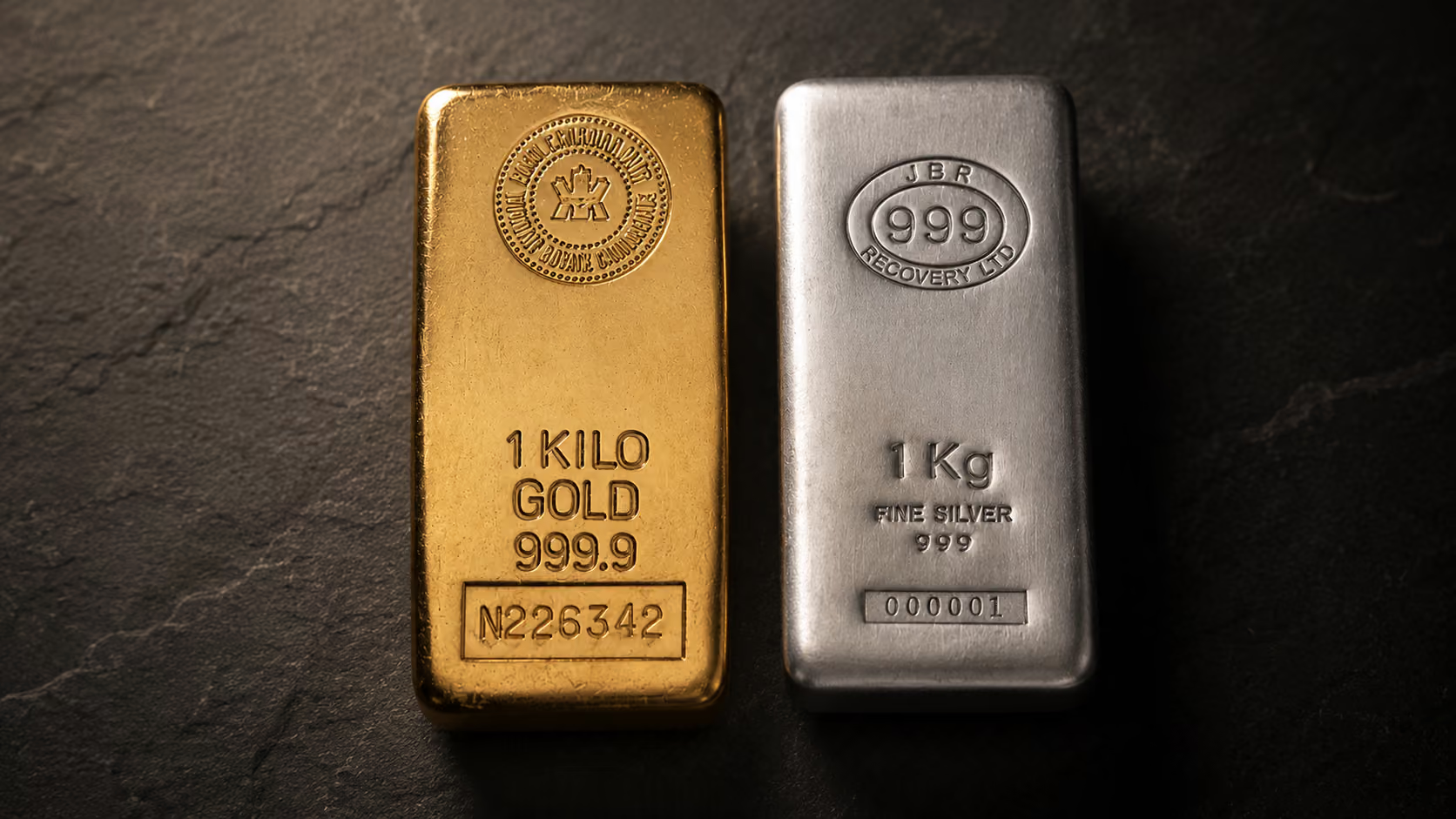
The Bullion Blueprint is Dr. Kirk Elliott's plain-language guide to owning physical gold and silver: how bullion works, how honest pricing works, and how to protect what you've built.