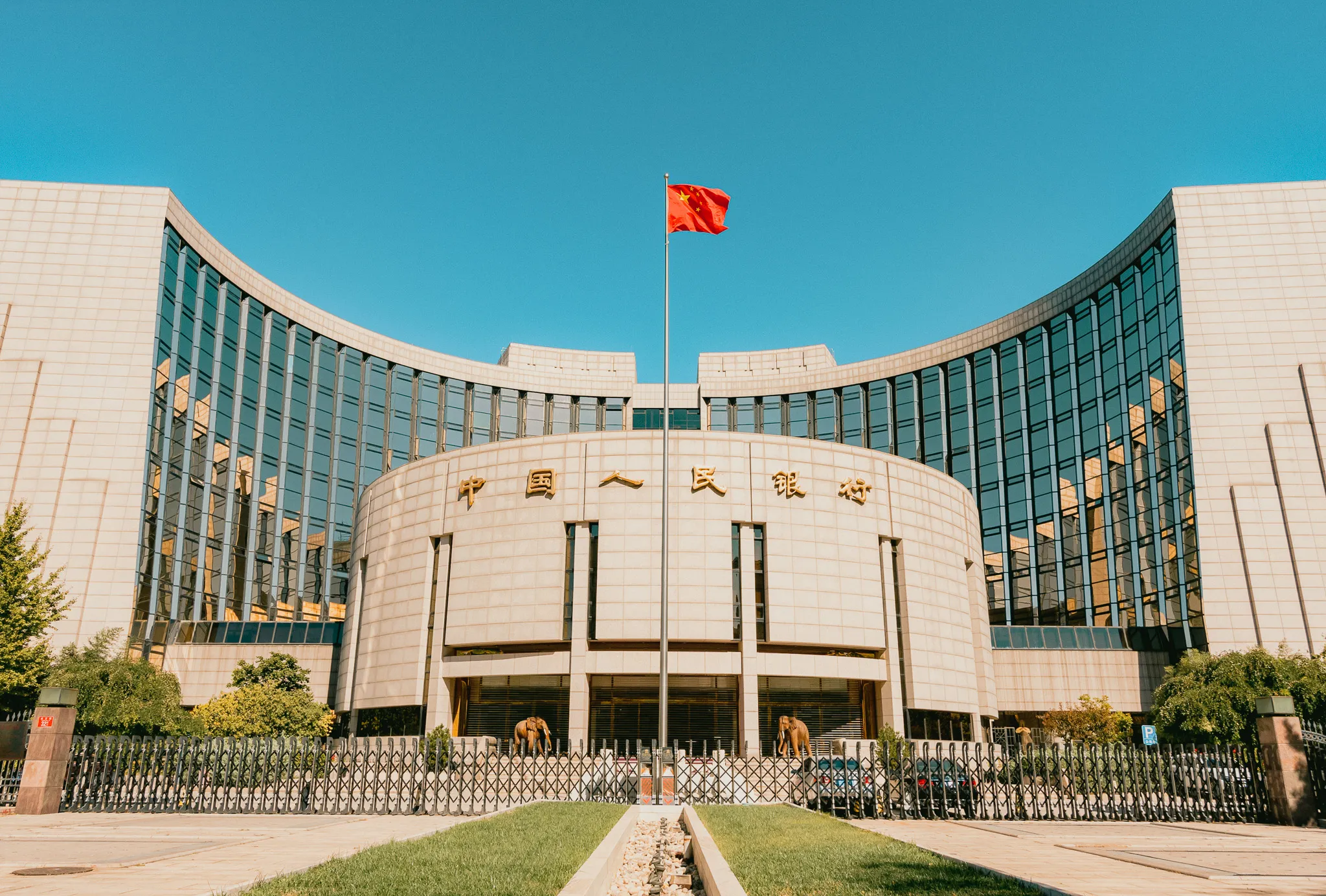

Central banks manage a country's money. They issue its currency, set a key short-term interest rate and look after its official reserves. You might expect them to want only modern financial assets. Yet for several years now, they have been adding gold.
If you have wondered why, you are asking a good question. The answer says a lot about how the people who manage a nation's money think about risk.
What a Central Bank Keeps in Reserve
Every central bank keeps a pool of reserves. These work like a national rainy-day fund it can draw on if its own currency comes under strain, if it needs to pay for imports, or if a crisis hits.
Most reserves are held in other countries' currencies, in forms such as government bonds. The U.S. dollar is still the largest share, at a little under 57% of the reserves the International Monetary Fund can track by currency, as of mid-2026.
The rest of the pool includes gold. By the end of 2025, gold made up a larger share of central bank reserves than U.S. Treasury bonds, according to the European Central Bank, mostly because gold's price rose.
How Much They Have Been Buying
The World Gold Council, a gold industry organization, tracks central bank buying. As of its June 2026 survey, central banks had added an average of about 1,000 tonnes of gold a year over the past four years. That is roughly double the 500-tonne average of the decade before.
To put that in household terms, one tonne is a little over 32,000 troy ounces. A thousand tonnes is about 32 million ounces in a single year.
The buying has continued in 2026. The Council estimates central banks added about 675 tonnes in the first nine months of the year.
A few countries stand out:
- China reported adding gold for 24 months in a row through October 2026, including during weeks when the price fell.
- Poland led reported purchases through August 2026, adding 98 tonnes in eight months.
- The Czech Republic, Kazakhstan and Uzbekistan have also been steady buyers this year.
The United States already holds about 261.5 million troy ounces of gold, more than three times what China reports, according to the World Gold Council, and that total has held steady for decades. The Treasury still carries it on the books at $42.22 an ounce, a rate set by law in 1973. How that gold is counted and checked is a story of its own, and we look at what the public record does and does not show in How Much Gold Is in Fort Knox?
The Reasons Central Banks Give
Each year the World Gold Council asks central banks directly. In the 2026 survey, 76 central banks responded, and the reasons they gave for holding gold included:
- How gold has performed during past times of crisis
- Spreading reserves across different kinds of assets
- Concern about geopolitical risk
The same survey asked what they expect next. 89% of respondents expect central banks overall to hold more gold a year from now. 74% expect the U.S. dollar's share of global reserves to be lower in five years.
Dr. Kirk points to another reason. He sees central banks using gold as collateral, the assets that back their lending. The European Central Bank has made a similar observation, noting that some central banks may be buying gold to strengthen their balance sheets.
A Turning Point in 2022
In 2022, after Russia invaded Ukraine, the G7 countries froze Russian central bank assets held in Europe. It was a clear reminder that reserves held in another country's financial system can be blocked by that country.
Goldman Sachs Research notes that central banks have been buying gold at an increased rate since then. In its words, gold "is considered less likely to be frozen than reserves held in foreign currencies."
You do not have to see the world through a political lens to understand the lesson central bankers drew. When your savings are someone else's promise, that someone else has a say.
What It Can Mean for Your Own Thinking
We can draw a lesson from central banks for our own households. Look at what you hold, and ask how much of it depends on someone else keeping a promise.
Dr. Kirk talked about this in an appearance on And We Know, pointing out that central banks continued buying gold even when the price dipped. Watch the full conversation here.
Physical gold and silver are not the right fit for everyone, and their prices can fall as well as rise. Still, it is worth understanding what the people who make monetary policy are doing with their own reserves. If you want to understand how gold and the dollar came apart in the first place, start with Is the U.S. Dollar Still Backed by Gold?
Next Steps
If you have questions about how physical metals might fit your own situation, you can schedule a conversation with our team. A KEPM team member will listen first and help you think it through at your own pace.
Disclosures
Figures about central bank purchases, holdings and survey responses come from the World Gold Council, the International Monetary Fund, the European Central Bank, the U.S. Mint, Goldman Sachs Research and official Chinese data as reported by Bloomberg, through the dates stated, and may be revised. Survey expectations are the respondents' views, not predictions by KEPM. Trading commodities and precious metals involves substantial risk of loss and is not suitable for all individuals. Past results are not necessarily indicative of future results. KEPM cannot provide tax, legal, or investment advice. Individuals should consult their own tax, legal, or financial professionals for guidance specific to their situation.


Not Sure Where to Begin? Start Here.
Before you buy a single ounce, it helps to understand the fundamentals.
The Bullion Blueprint is Dr. Kirk Elliott's plain-language guide to owning physical gold and silver: how bullion works, how honest pricing works, and how to protect what you've built.